
Commercial Spray Foam Insulation in Saskatoon and Across Saskatchewan
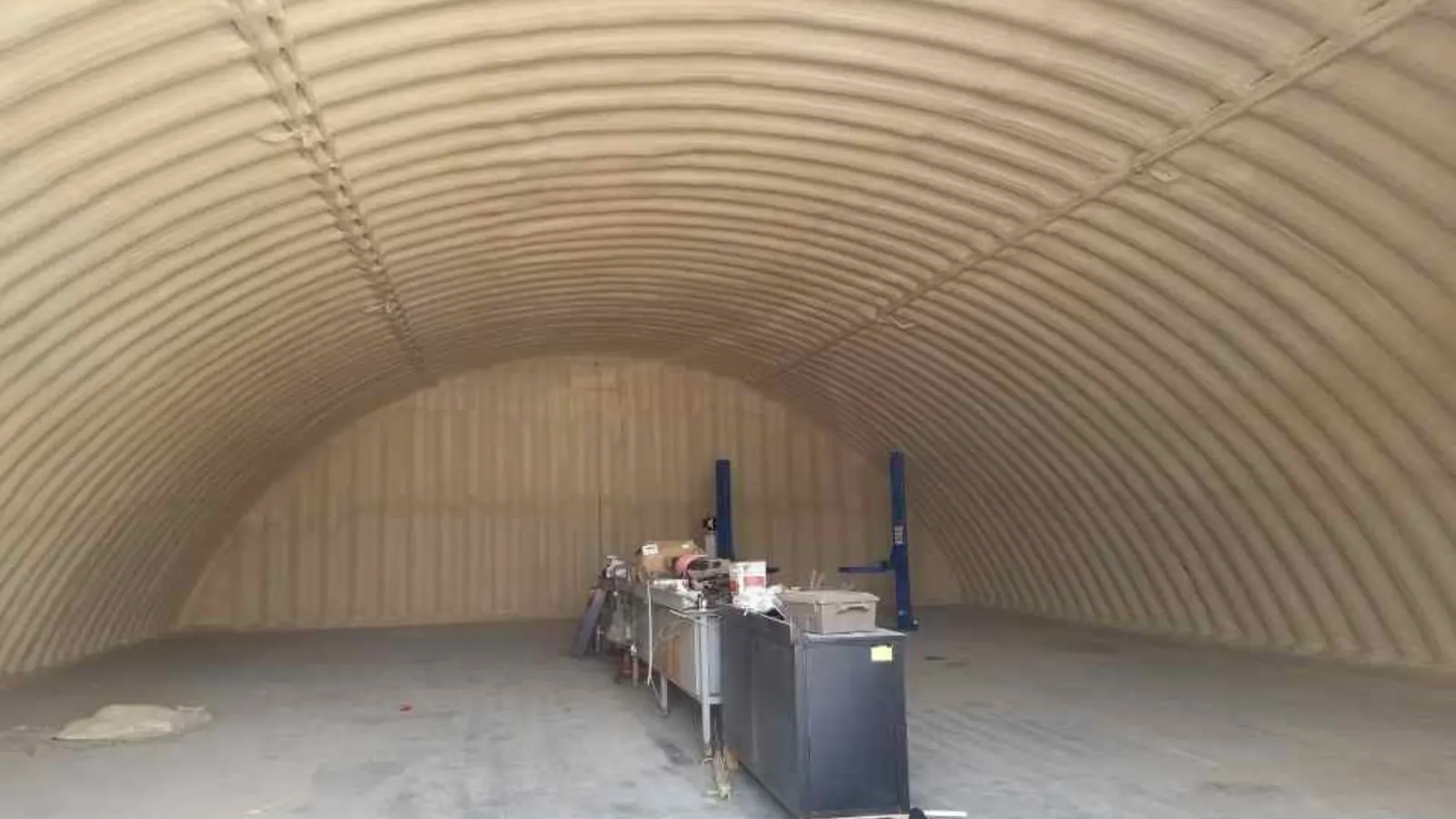
MAGNUS applies spray foam on commercial, industrial and agricultural buildings across Saskatchewan, including warehouses, shops, cold storage and steel-clad structures. We are certified applicators working to general contractor schedules.
We measure before we quote.
Mon–Fri, 8am–5pm
- Award-Winning Contractor
- Licensed & Insured
- 7,000+ Projects Completed
- Free Consultation
- Financing Available
- Serving Saskatoon & Surroundings Since 2008
What our customers say
At a glance
On a large steel-clad building the seams and fasteners leak more than the panels do. Spray foam bonds directly to the cladding and closes every lap in one pass, which is why it outperforms batts hung inside a steel frame on this kind of structure.
Free
Consultation to talk your job through
Photos
Send photos and a specialist will reach out
Financing
Available, ask at your consultation
Since 2008
Insulating and repairing Saskatchewan buildings
Service area: Available anywhere in Saskatchewan, from our base in Saskatoon.
Signs you need commercial spray foam
Warm moist air is reaching cold steel and forming water above the floor.
Fibrous insulation has slumped and left an open air path behind it.
Air is moving freely through cladding laps and fastener penetrations.
Thermal bridging through the structure is reaching below freezing inside.
The building envelope cannot hold temperature through a cold snap.
The point at which foam can be applied efficiently before fit-out.
Some bays are sealed and others were never properly closed.
Have a commercial or agricultural building in Saskatchewan to insulate? Send us the drawings and we will scope it. Call (306) 880-2878 · Mon–Fri, 8am–5pm
How long it takes
| Small shop | Two to three daysDepends on size and access |
|---|---|
| Warehouse bay | One to two weeksDriven by square footage |
| Agricultural building | Three to five daysTypical machine shed or barn |
Timeframes are typical for a straightforward job and are confirmed at the consultation.
How we handle commercial spray foam
Review drawings and site
We look at the assembly, the schedule and any fire or code requirements before pricing the work.
Plan access and staging
Lifts, containment and ventilation are planned around other trades so the programme is not held up.
Apply in controlled lifts
Foam is applied in passes at the specified thickness, with conditions monitored so it cures correctly.
Verify and hand over
Coverage is checked against the specification, thickness verified, and documentation provided for the record.
Ready to sort out your commercial spray foam?
Serving Saskatoon. The consultation is free and there is no obligation.
What it costs
Commercial work is quoted from drawings and a site visit. Price follows area, specified thickness, access and how the work fits the construction programme. Fire-rated assemblies and coverings are priced as part of the scope where they apply.
| Area and thickness | The two largest drivers on any commercial quote |
|---|---|
| Access and height | Lift requirements and staging affect labour |
| Schedule constraints | Working around other trades or outside hours |
| Fire requirements | Thermal barriers or coverings where code requires them |
| Building type | Steel, concrete and wood frame each detail differently |
We do not publish fixed prices, because the number depends on what the consultation finds.
What you get with MAGNUS
Certified applicators
Elastochem Insulthane 200 and BASF Walltite V3 certified.
Licensed and insured
Licence on file, and we carry full insurance for site work.
Built for schedules
Crews sized and staged to fit a general contractor programme.
Documented coverage
Thickness verified and recorded against the specification.
Free quotations
Priced from your drawings at no cost.
Local and seasonal factors in Saskatoon
Saskatchewan agricultural and industrial buildings are usually steel clad and sit on open, wind-exposed sites. Both factors push heat loss toward the seams rather than through the panel faces.
Cold storage and controlled-temperature buildings raise the stakes again, because a failure there costs product rather than just fuel.
Common Questions
Why use spray foam instead of batts in a steel building?
Because it bonds to the cladding and seals every lap and fastener. Batts hung inside a steel frame leave an air path behind them, and on an exposed prairie site that air movement removes much of the rated performance you paid for.
Can spray foam be used in a food or agricultural building?
Once cured, closed-cell foam is inert and stable. What matters is the covering required by code for the occupancy, and the cure time before the space is returned to use. Both are confirmed as part of the scope before work begins.
Does commercial spray foam need a fire barrier over it?
In most occupied assemblies, yes. Building codes generally require a thermal barrier or an approved covering over foam plastic insulation. The specific requirement depends on the occupancy and the assembly, and it is confirmed at quotation. Leaving that covering out is a common cause of a failed inspection, so it is scoped as part of the work.
Frequently asked questions
Usually yes. Sequencing around production or outside normal hours is common on occupied buildings. Ventilation and access during curing are the main constraints, and we plan those with you before the crew mobilises. Night and weekend work is possible where the schedule demands it, and we will price it that way from the outset.
Regularly. A substantial share of the commercial work runs as a subcontract on larger projects, with the crew scheduled into the site programme alongside the other trades. Drawings, schedules and progress meetings are all part of how those projects run, so the process is familiar to the crew. Site documentation is provided as standard.
It is set by the performance required and the assembly, not by a standard figure. Cold storage is specified very differently from an unheated equipment shed. Thickness is confirmed in the quotation and verified during application. Applied thickness is checked during the work rather than assumed, and the record goes into the project file.
Yes, with containment and ventilation planned around the occupied areas. We will be direct about which zones need to be cleared during application and for how long afterward, so operations can be planned around it. Zoning the work so the building stays partly operational is usually possible, and we will plan the sequence with you.
Yes. Product data, applied thickness and coverage records are provided for the project file, which is standard on any job running under a general contractor. Product data sheets, applied thickness records and coverage documentation are all supplied without needing to be chased. Consultants and inspectors generally ask for these.
Related services
Fireproofing & Firestopping
Spray-applied fire protection and rated penetration seals, documented for inspection.
Fireproofing & Firestopping detailsFlat Roof Applications & Restoration
Flat roof systems, coatings and restoration that extend service life without a full tear-off.
Flat Roof Applications & Restoration detailsSpray Foam Insulation
Closed-cell spray polyurethane foam (SPF) that insulates and seals in one pass, applied by certified applicators.
Spray Foam Insulation detailsSee the full range on our Saskatoon insulation and building envelope services page, or book a free consultation.
Industry leaders in comfortable, healthy & efficient buildings
Get commercial spray foam priced properly
We offer full consultations. With 7,000+ projects completed, we have seen it all and can often diagnose from photos. Send us photos and a specialist will reach out. If an on-site consultation is needed, they will let you know. Mon–Fri, 8am–5pm.