
Asbestos Testing, Sampling and Abatement in Saskatoon
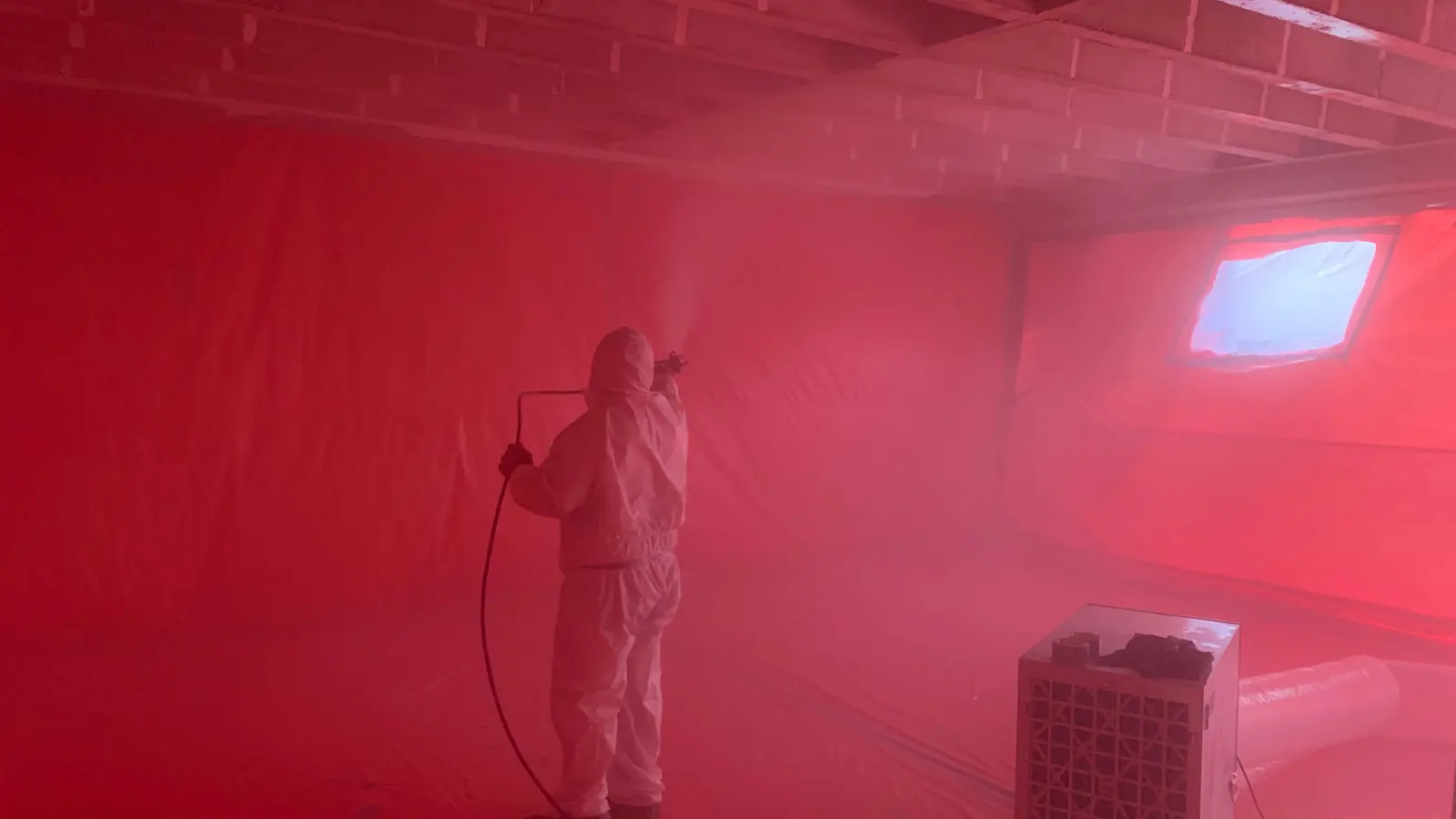
MAGNUS tests for and removes asbestos in Saskatoon and anywhere in Saskatchewan. That includes drywall joint compound, vermiculite attic fill, textured ceilings, pipe wrap and old flooring. Removal happens inside sealed containment with controlled air, because the risk comes from disturbing the material.
We measure before we quote.
Mon–Fri, 8am–5pm
- Award-Winning Contractor
- Licensed & Insured
- 7,000+ Projects Completed
- Free Consultation
- Financing Available
- Serving Saskatoon & Surroundings Since 2008
What our customers say
At a glance
Asbestos is only dangerous when fibres are released into the air, which happens when the material is disturbed. Undisturbed material in good condition is often safest left alone. That is why the first step is testing, not removal. Testing before a renovation is the best money you can spend.
Free
Consultation to talk your job through
Photos
Send photos and a specialist will reach out
Financing
Available, ask at your consultation
Since 2008
Insulating and repairing Saskatchewan buildings
Service area: Available anywhere in Saskatchewan, from our base in Saskatoon.
Asbestos testing & sampling: a small investment that can save thousands
Planning a renovation or demolition? Before you disturb older building materials, find out whether asbestos is there. MAGNUS offers asbestos testing and sample collection, so homeowners, contractors and businesses know what they are dealing with before work begins.
Asbestos testing
We coordinate laboratory testing to determine whether suspected building materials contain asbestos.
Professional sample collection
Our qualified staff collect samples and send them to an accredited lab.
Homeowner guidance
Want to keep costs down? We can explain your options, including whether collecting a sample yourself is appropriate. Sampling must follow proper safety steps, and we recommend a professional whenever you are unsure.
Renovation planning
We help you understand the results and decide whether abatement is needed before the renovation proceeds.
Why test before renovating?
A relatively small investment in asbestos testing could save thousands of dollars in unexpected renovation costs.
Safety
Protect your family, workers and contractors from fibres released by demolition, cutting or sanding.
Cost savings
Finding asbestos mid-renovation means work stoppages, unplanned abatement costs and project delays.
No renovation complications
Avoid contamination, liability concerns and disputes between homeowners, contractors and other trades who may have unknowingly disturbed it.
Renovating or removing drywall in an older home?
Planning to remove walls, renovate a basement, remodel a kitchen or tear out drywall in a home built before 1990? Your drywall joint compound may contain asbestos, even if the drywall itself does not. It was common in joint compound and other materials in older homes and commercial buildings.
Why it matters
Demolition, cutting or sanding joint compound that contains asbestos can release harmful fibres into the air.
Test before you start
Drywall in buildings from before 1990 should be checked and tested before it is removed or disturbed.
One team, start to finish
MAGNUS offers testing, sample collection, lab coordination and safe asbestos removal.
Newer buildings too
Pre-1990 buildings are the main concern, but some later ones contain it. WorkSafe Saskatchewan lists drywall joint compound as a possible asbestos material.
Signs you need asbestos abatement
The joint compound may contain asbestos even if the board does not. Test it before demolition, cutting or sanding.
Possible vermiculite fill, some of which contains asbestos. Do not disturb it.
Common in homes built before the 1990s and worth testing before sanding.
Pipe and duct insulation of that era frequently contains asbestos.
That tile size and the adhesive beneath it are both known to contain it.
Testing before demolition is far cheaper than stopping work mid-job.
Deteriorating material is more likely to release fibres than intact material.
The era in which these materials were used widely across construction.
Found something in a Saskatoon building you think might contain asbestos? Do not disturb it. Call and we will assess it. Call (306) 880-2878 · Mon–Fri, 8am–5pm
How long it takes
The time required for asbestos removal depends on the material, affected area, accessibility and complexity of the project.
| Testing turnaround | A few business daysDepends on the laboratory |
|---|---|
| Drywall or flooring removal | Approximately 2–5 daysTypical residential project, depending on size and conditions |
| Attic vermiculite removal | Two to four daysIncluding containment setup |
| Larger or complex projects | LongerExtensive containment, specialized procedures or added clearance testing |
These are estimates, not promised completion times. MAGNUS evaluates each project individually and gives you a realistic timeline before work begins.
How we handle asbestos abatement
Test before assuming
Samples are collected and analysed by an accredited laboratory. Many suspected materials turn out to be clear, and testing avoids an unnecessary removal.
Assess the risk
If it is present and undisturbed, leaving it in place is sometimes the right answer. We say so when that is the case.
Build the containment
The work area is sealed, negative air is established, and access is controlled so fibres cannot reach the rest of the building.
Remove and bag
Material is wetted, removed and double-bagged, then disposed of through an approved waste stream with documentation.
Clean and clear
The area is cleaned, air is tested where required, and containment stays up until the space is confirmed clear.
Ready to sort out your asbestos abatement?
Serving Saskatoon. The consultation is free and there is no obligation.
What it costs
Abatement is priced by the material, the area and the containment required. Setting up and maintaining containment is a large part of any quote, which is why a small removal is not proportionally cheap. Testing is quoted separately and first.
| Material and location | Attic fill, ceilings and pipe wrap each differ |
|---|---|
| Area to be removed | Larger areas cost less per square foot |
| Containment complexity | Occupied buildings need more isolation |
| Disposal | Approved waste streams carry their own cost |
| Air clearance testing | Required on many jobs before reoccupancy |
We do not publish fixed prices, because the number depends on what the consultation finds.
What you get with MAGNUS
Sealed containment
Negative air and controlled access for the duration of the work.
Testing and sampling
Sample collection and accredited lab testing before any removal is recommended.
Licensed and insured
Business licence on file and full liability coverage.
Documented disposal
Material tracked through an approved waste stream with records.
Free consultation
Talk through your renovation and what should be tested first.
Local and seasonal factors in Saskatoon
A large share of Saskatoon's housing predates 1990, so these materials turn up regularly in renovations. Vermiculite attic fill is the most common find in this market.
Saskatchewan occupational health and safety regulations govern how this work is carried out. Those requirements exist to protect the people doing the work as much as the building's occupants.
Common Questions
Is vermiculite insulation dangerous?
Vermiculite itself is not asbestos, but much of what went into North American attics came from a mine that was tainted with it. Treat any vermiculite as suspect. Leave it alone, and have it tested before anyone works in that attic.
Do I have to remove asbestos from my house?
Not always. Material that is intact, untouched and in good shape is often safest left alone, since the danger comes from releasing fibres. Removal is needed when the material is damaged, breaking down, or in the way of planned work.
How do I know if something contains asbestos?
Only by testing. It cannot be identified reliably by appearance, and many materials that look suspect turn out to be clear. A sample is taken under controlled conditions and analysed by a laboratory, which takes a few business days.
Frequently asked questions
The joint compound is the bigger worry. Joint compound in buildings from before 1990 often contained asbestos, even when the board did not. WorkSafe Saskatchewan lists it as a possible asbestos material, and some newer buildings have it too. Have it tested before you remove, cut or sand any drywall.
Yes, in any building from before 1990, and any time you are unsure. A test costs far less than a surprise halfway through a job, when work stops, removal costs appear and the schedule slips. MAGNUS collects samples, books the lab testing and helps you plan the work around the results.
Sometimes, and we can tell you whether it makes sense for your material. Taking a sample disturbs it, so Saskatchewan guidance says sampling should be done by a competent person following proper safety steps. If you are unsure, have a professional collect it.
Not until it has been tested. Scraping or sanding a ceiling that contains asbestos releases fibres throughout the house and contaminates everything in it. Testing first costs very little compared with cleaning up afterward. Testing also protects you at resale, because an undocumented removal can raise questions from a buyer years later.
It depends on the location and scale. Containment isolates the work area, and for a contained attic removal occupants can often remain elsewhere in the building. We give you a direct answer at the assessment rather than after starting.
Testing costs little next to removal, and it is quoted on its own. It is always worth doing first, because a clear result means no removal is needed and the renovation can go ahead as normal. Sending several samples from one building together usually lowers the cost per sample.
It is wetted, double-bagged, sealed and taken to an approved disposal site, with paperwork for the record. It cannot go into ordinary construction waste, and the paperwork matters for commercial projects in particular. Disposal receipts are provided to you, and they are worth keeping with your property records permanently.
Yes, and that is the usual sequence. Once the attic is cleared and confirmed clean, the ceiling plane is sealed and new insulation is blown in, all by the same crew rather than two separate contractors. Doing it in one sequence also avoids paying twice for containment, since the attic is already isolated.
Asbestos Abatement across central Saskatchewan
- Asbestos Abatement in Saskatoon
- Asbestos Abatement in Warman
- Asbestos Abatement in Martensville
- Asbestos Abatement in Prince Albert
- Asbestos Abatement in Humboldt
- Asbestos Abatement in Rosthern
- Asbestos Abatement in Delisle
- Asbestos Abatement in Outlook
- Asbestos Abatement in Watrous
- Asbestos Abatement in Wakaw
- Asbestos Abatement in Biggar
Related services
Attic Insulation
Top-ups, full installs and removal of settled or contaminated attic insulation, measured on site.
Attic Insulation detailsMold Remediation
Cleaning up mould under containment, after finding and fixing the moisture that caused it.
Mold Remediation detailsCeiling Repair
Stains, sagging, cracks and holes repaired, with the cause traced before the ceiling is closed up.
Ceiling Repair detailsSee the full range on our Saskatoon insulation and building envelope services page, or book a free consultation.
Industry leaders in comfortable, healthy & efficient buildings
Get asbestos abatement priced properly
We offer full consultations. With 7,000+ projects completed, we have seen it all and can often diagnose from photos. Send us photos and a specialist will reach out. If an on-site consultation is needed, they will let you know. Mon–Fri, 8am–5pm.